How Independent Filmmakers Are Redefining Storytelling
The film industry, once dominated by major studios, is experiencing a seismic shift. Independent filmmakers are no longer on the fringes; they’re actively reshaping the landscape. They’re pushing boundaries, exploring diverse narratives, and leveraging technology to reach audiences directly. But how exactly are these innovative creators changing the way movies are made, distributed, and consumed?
Democratizing Film Production: Lowering Barriers to Entry
One of the most significant changes brought about by independent filmmakers is the democratization of film production. Traditionally, securing funding, equipment, and talent required navigating a complex network of studio executives and investors. This often meant conforming to established formulas and limiting creative freedom. However, technological advancements and alternative funding models have leveled the playing field.
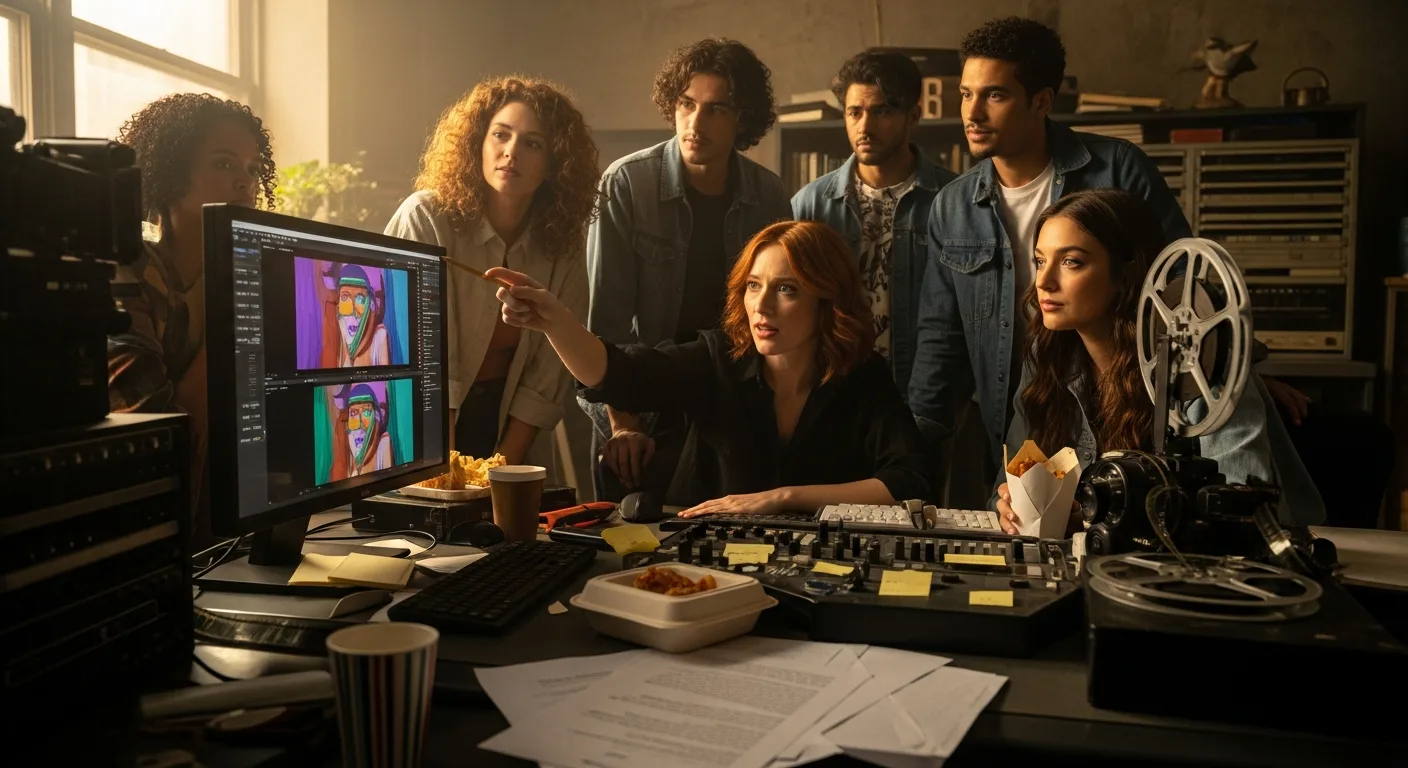
The rise of affordable, high-quality cameras and editing software has empowered filmmakers to produce professional-grade content on a fraction of the traditional budget. Software like Adobe Premiere Pro and DaVinci Resolve, once prohibitively expensive, are now accessible through subscription models. Furthermore, crowdfunding platforms such as Kickstarter and Indiegogo have enabled filmmakers to bypass traditional gatekeepers and directly solicit funding from their target audience. This not only provides crucial financial support but also fosters a sense of community and ownership among viewers.
In my experience consulting with emerging filmmakers, I’ve observed a significant increase in successful crowdfunding campaigns over the past five years. Filmmakers who actively engage with their potential audience during the pre-production phase are far more likely to reach their funding goals.
Embracing Digital Distribution: Reaching Global Audiences
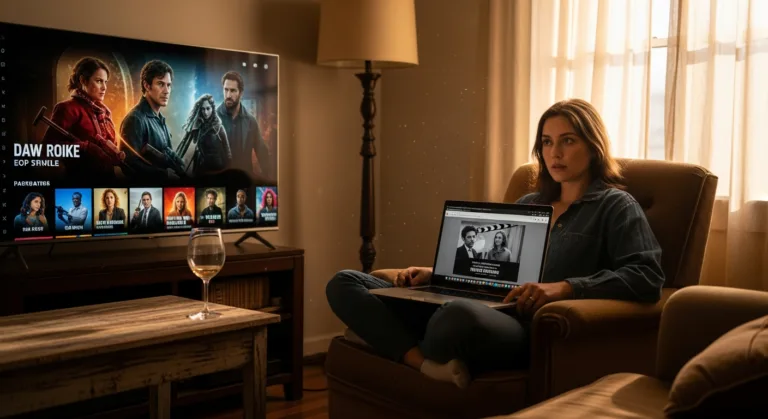
Beyond production, independent filmmakers are revolutionizing film distribution through digital platforms. Streaming services like Netflix, Amazon Prime Video, Hulu, and dedicated independent film platforms have created unprecedented opportunities for independent films to reach global audiences. These platforms offer filmmakers a direct route to distribution, bypassing the traditional studio system and its associated costs and limitations. This has resulted in a wider variety of stories being told and seen, fostering a more diverse and inclusive film culture.
Moreover, digital distribution allows for more targeted marketing. Filmmakers can leverage social media and online advertising to reach specific demographics who are likely to be interested in their film. Data analytics provide valuable insights into audience preferences, enabling filmmakers to refine their marketing strategies and maximize their reach. According to a 2025 report by Statista, streaming revenue surpassed theatrical revenue for independent films for the first time, highlighting the growing importance of digital distribution.
Exploring Niche Genres: Catering to Underserved Audiences
The freedom afforded by independent filmmaking allows creators to explore niche genres and cater to underserved audiences. Unlike major studios, which often prioritize commercially viable blockbusters, independent filmmakers are free to pursue passion projects and tell stories that resonate with specific communities. This has led to a surge in films that explore diverse cultures, perspectives, and experiences. From documentaries that shed light on social issues to genre films that push the boundaries of horror and science fiction, independent filmmakers are enriching the cinematic landscape with their unique voices.
For example, the rise of independent horror films has been particularly notable in recent years. Films like “Skinamarink” (2022) have demonstrated that low-budget, experimental horror can find a large and enthusiastic audience through online communities and word-of-mouth marketing. This success has encouraged other independent filmmakers to take risks and explore unconventional storytelling techniques.
Promoting Diversity and Inclusion: Amplifying Marginalized Voices
A critical contribution of independent filmmakers is their commitment to promoting diversity and inclusion within the industry. Historically, the film industry has been dominated by a narrow demographic, resulting in a lack of representation both on and off screen. Independent filmmakers are actively working to address this imbalance by creating opportunities for underrepresented groups, telling stories from marginalized perspectives, and challenging traditional stereotypes. This includes increasing the representation of women, people of color, LGBTQ+ individuals, and people with disabilities in all aspects of filmmaking.
Several organizations, such as Women in Film and the Sundance Institute, offer grants, mentorship programs, and networking opportunities to support filmmakers from underrepresented backgrounds. Furthermore, initiatives like the Inclusion Rider, which encourages filmmakers to commit to diverse hiring practices, are gaining traction within the independent film community.
Leveraging Technology: Innovative Storytelling Techniques
Independent filmmakers are at the forefront of leveraging technology to create innovative storytelling techniques. From virtual reality (VR) and augmented reality (AR) experiences to interactive narratives and transmedia storytelling, they are experimenting with new ways to engage audiences and immerse them in the world of their films. These technologies offer filmmakers the opportunity to create more personalized and participatory experiences, blurring the lines between film and other forms of media.
For example, some independent filmmakers are using AI-powered tools to assist with tasks such as scriptwriting, editing, and visual effects. While these technologies are still in their early stages of development, they have the potential to significantly streamline the filmmaking process and allow filmmakers to focus on the creative aspects of their work. Additionally, the use of drones and other advanced camera equipment has enabled filmmakers to capture stunning visuals and create dynamic cinematic sequences on a limited budget.
Embracing Community Engagement: Building Loyal Audiences
Unlike major studios, which often rely on mass marketing campaigns, independent filmmakers prioritize community engagement to build loyal audiences. They actively participate in film festivals, Q&A sessions, and online forums to connect with viewers, gather feedback, and foster a sense of community around their films. This direct engagement allows filmmakers to build a strong relationship with their audience and create a dedicated fanbase that will support their future projects.
Social media platforms like Twitter, Instagram, and TikTok have become essential tools for independent filmmakers to connect with their audience and promote their work. By sharing behind-the-scenes content, engaging in conversations, and running targeted advertising campaigns, filmmakers can build awareness and generate excitement for their films. Furthermore, many independent filmmakers are using email marketing to stay in touch with their fans and provide exclusive updates and promotions.
What is the biggest challenge facing independent filmmakers in 2026?
While access to technology and distribution has improved, securing funding remains a significant challenge. Competition for grants and crowdfunding is fierce, and filmmakers need to be creative and resourceful to attract investors.
How can independent filmmakers stand out in a crowded marketplace?
Focus on telling unique and compelling stories that resonate with specific audiences. Build a strong online presence, engage with your community, and leverage social media to promote your work. Networking and attending film festivals are also crucial.
What skills are most important for independent filmmakers to develop?
Besides filmmaking skills like directing, cinematography, and editing, it’s crucial to develop marketing, business, and networking skills. Understanding how to promote your film, manage finances, and build relationships with industry professionals is essential for success.
Are film schools still relevant for aspiring independent filmmakers?
Film schools can provide valuable training, resources, and networking opportunities, but they are not essential. Many successful independent filmmakers are self-taught or have learned through apprenticeships and on-the-job experience. The most important thing is to be passionate, dedicated, and willing to learn.
What is the future of independent filmmaking?
The future of independent filmmaking is bright. As technology continues to evolve and distribution channels expand, independent filmmakers will have even more opportunities to tell their stories and reach global audiences. The key will be to embrace innovation, stay true to your vision, and build a strong community around your work.
Independent filmmakers are transforming the film industry by democratizing production, embracing digital distribution, exploring niche genres, promoting diversity and inclusion, leveraging technology, and engaging with their communities. They are proving that creativity, passion, and resourcefulness can overcome the limitations of traditional filmmaking models. The impact of independent filmmaking is undeniable, shaping the future of storytelling and making film more accessible, diverse, and engaging. What steps will you take to support or become part of this exciting movement?