Cultural Impact: How Independent Music is Shaping the Sound of a Generation
The independent music scene is thriving, pushing boundaries and resonating deeply with listeners who crave authenticity. More than ever, artists are choosing to forge their own paths, bypassing traditional record labels and connecting directly with their audiences. But how is this shift impacting the broader music industry and shaping the cultural impact of music on today’s generation?
Redefining Music Trends: The Rise of Indie Artistry
For decades, major labels dictated music trends, focusing on formulas designed for mass appeal. Today, independent music is challenging this paradigm. Artists are experimenting with diverse genres, blending influences, and creating sounds that reflect the multifaceted identities of their listeners.
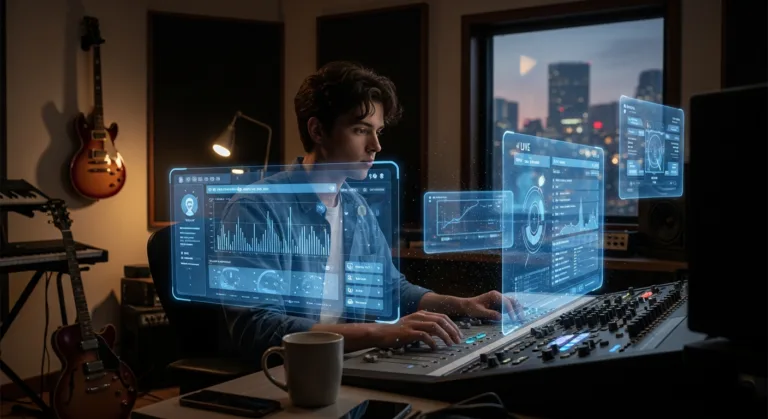
One significant factor is the accessibility of music production tools. Affordable software and hardware have empowered artists to create professional-quality recordings from their bedrooms. Platforms like Bandcamp and SoundCloud allow them to distribute their music directly to fans, bypassing the gatekeepers of the traditional music industry.
This democratization of music creation has led to a surge in niche genres and subgenres. From lo-fi hip-hop to experimental electronic music, listeners can find artists catering to their specific tastes. These micro-communities foster a sense of belonging and connection, strengthening the cultural impact of independent music.
A recent study by the Future of Music Coalition found that independent artists are more likely to experiment with genre-bending sounds compared to artists signed to major labels. This suggests that the indie scene is driving innovation and pushing the boundaries of musical expression.
Empowering Artists: The Business of Independent Music
Beyond the creative freedom, independent music also offers artists greater control over their careers and finances. They retain ownership of their music, negotiate their own deals, and build direct relationships with their fans.
This empowerment is crucial in an era where traditional record deals often leave artists with a small percentage of the profits. By embracing independent music, artists can build sustainable careers and retain the rights to their creative work.
Platforms like Patreon and Kickstarter have become vital tools for funding projects and building loyal fan bases. Artists can offer exclusive content, merchandise, and experiences to their supporters, creating a direct revenue stream that bypasses the traditional music industry.
Furthermore, the rise of digital distribution has made it easier for independent music to reach a global audience. Artists can upload their music to streaming services like Spotify and Apple Music, making it available to millions of listeners worldwide. While streaming royalties remain a contentious issue, the accessibility of these platforms has leveled the playing field, giving independent artists a chance to compete with major label acts.
Building Communities: Fostering Connection Through Music
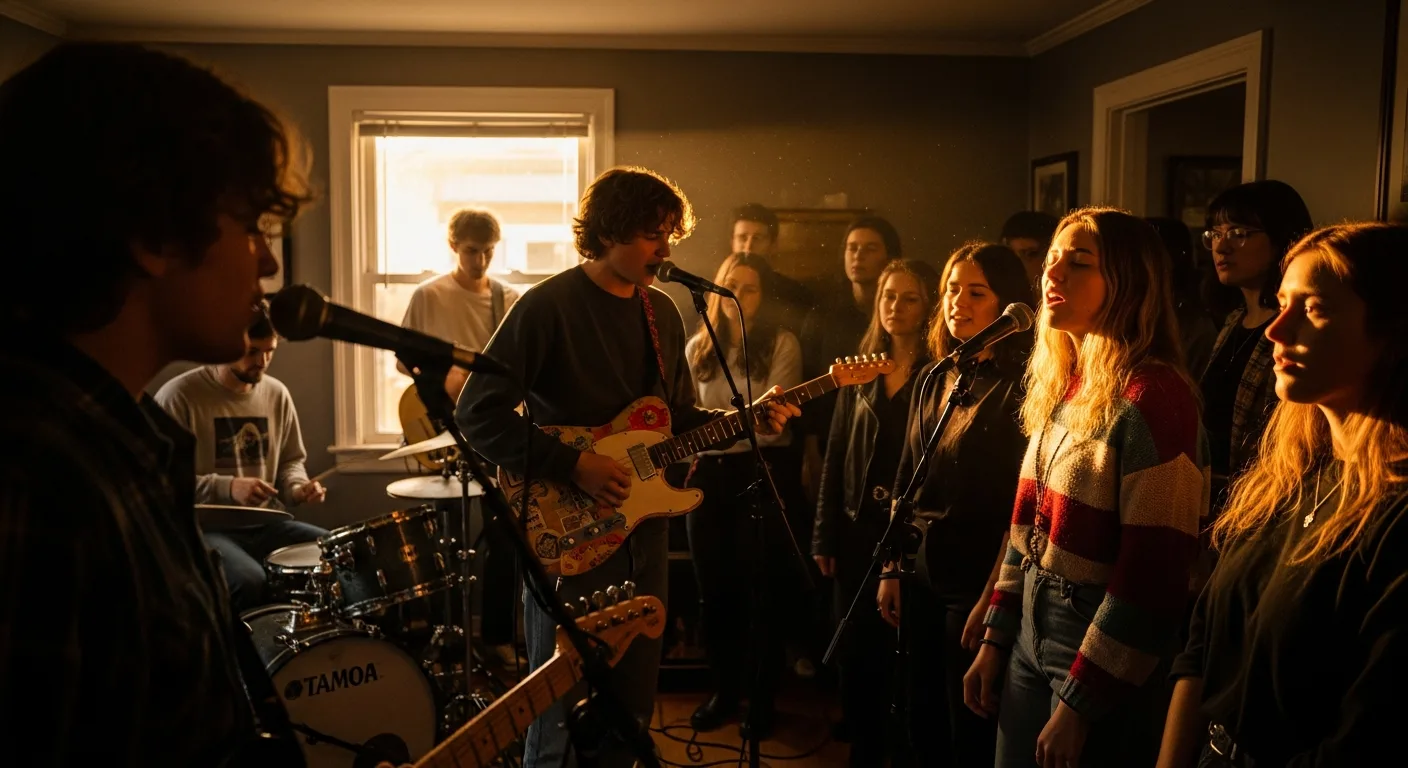
Independent music is not just about the music itself; it’s about building communities. Artists often cultivate close relationships with their fans, interacting with them on social media, hosting intimate concerts, and creating a sense of belonging.
This sense of community is particularly important in an increasingly fragmented world. Independent music provides a space for people to connect with others who share their values and interests, fostering a sense of identity and belonging.
Many independent music scenes are also deeply rooted in local communities. Artists often collaborate with other local musicians, support local venues, and contribute to the cultural fabric of their cities. This local focus strengthens the cultural impact of independent music and helps to revitalize local economies.
Social Commentary: Independent Music as a Voice for Change
Throughout history, music has served as a powerful tool for social commentary. Independent music continues this tradition, providing a platform for artists to address social and political issues that are often ignored by the mainstream music industry.
Many independent music artists use their music to raise awareness about issues such as climate change, social justice, and inequality. They write songs that challenge the status quo, inspire activism, and promote empathy.
This social commentary is particularly resonant with younger generations, who are increasingly concerned about these issues. Independent music provides a voice for their concerns and empowers them to take action.
According to a 2025 study by Nielsen Music, Gen Z listeners are more likely to seek out music that reflects their values and beliefs. This suggests that the social commentary in independent music is a key factor in its appeal to younger audiences.
The Future of Music: Predictions for the Independent Scene
Looking ahead, the future of independent music looks bright. As technology continues to evolve and the music industry landscape shifts, independent music will likely play an even more prominent role in shaping the sound of future generations.
Here are some predictions for the independent music scene in the coming years:
- Increased collaboration: Artists will increasingly collaborate with each other, both within and across genres. This will lead to innovative new sounds and further blur the lines between different musical styles.
- Greater use of technology: Artists will continue to embrace new technologies to create, distribute, and promote their music. This includes using artificial intelligence to generate music, virtual reality to create immersive concert experiences, and blockchain technology to manage royalties and ownership rights.
- More direct-to-fan engagement: Artists will continue to build direct relationships with their fans through social media, email marketing, and exclusive content offerings. This will allow them to bypass the traditional music industry and build sustainable careers.
- Emphasis on authenticity: In an increasingly saturated market, authenticity will become even more important. Artists who are genuine and true to themselves will stand out from the crowd and connect with listeners on a deeper level.
- Growth of niche genres: Niche genres and subgenres will continue to flourish, catering to the diverse tastes of listeners. This will lead to a more fragmented but also more vibrant and diverse music industry.
The cultural impact of independent music will continue to grow as it empowers artists, builds communities, and provides a voice for social change. By embracing innovation, authenticity, and collaboration, the independent music scene is poised to shape the sound of future generations.
Conclusion
Independent music isn’t just a trend; it’s a movement reshaping the music industry and leaving a lasting cultural impact on listeners. From democratizing music creation to fostering vibrant communities and amplifying social commentary, independent music empowers artists and connects with audiences on a deeper level. The rise of niche genres and direct-to-fan engagement signals a future where authenticity and innovation reign supreme. So, explore beyond the mainstream, discover new artists, and support the independent music scene – you might just find the sound that defines your generation.
What defines independent music?
Independent music refers to music created and released by artists who are not signed to major record labels. These artists typically retain creative control over their work and manage their own business affairs.
How has technology impacted independent music?
Technology has revolutionized independent music. Affordable production tools, digital distribution platforms, and social media have empowered artists to create, release, and promote their music independently, reaching a global audience without relying on traditional record labels.
What are the benefits of supporting independent artists?
Supporting independent music directly benefits the artists, allowing them to sustain their careers and continue creating music. It also fosters a more diverse and innovative music industry, as independent music artists are often more willing to experiment with different sounds and styles.
How can I discover new independent artists?
There are many ways to discover new independent music artists. Explore music streaming platforms like SoundCloud and Bandcamp, attend local concerts and festivals, follow music blogs and social media accounts that focus on independent music, and ask friends for recommendations.
What role does independent music play in social and cultural movements?
Independent music often serves as a powerful voice for social and cultural movements. Artists use their music to raise awareness about important issues, challenge the status quo, and inspire activism. Their authenticity and independence resonate with listeners who are seeking music that reflects their values and beliefs.