Critical Analysis: The Rise of Micro-Budget Filmmaking: Art or Exploitation?
The world of filmmaking is constantly evolving, and one of the most intriguing developments has been the rise of the micro-budget film. These films, often made for under $100,000, have become increasingly prevalent thanks to accessible technology and the democratization of filmmaking. But with this newfound accessibility comes a critical question: are these films a testament to artistic ingenuity, or do they often exploit the passion and dedication of cast and crew?
Defining the Landscape of Micro-Budget Film
The term "micro-budget film" is often used loosely, but generally refers to films produced with extremely limited financial resources. While there's no universally agreed-upon threshold, most industry professionals consider a film with a budget under $100,000 to fall into this category. Some push the ceiling even lower, defining micro-budget as anything under $50,000, or even $25,000. These films contrast sharply with independent films produced with multi-million dollar budgets, and especially with Hollywood blockbusters.
The rise in popularity of micro-budget filmmaking can be attributed to several factors:
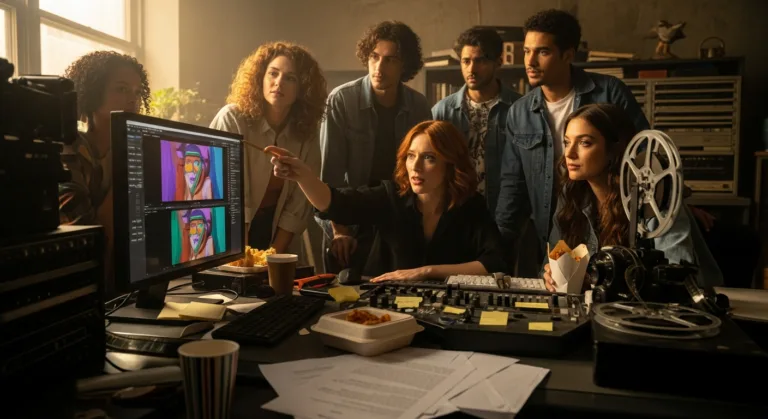
- Technological advancements: Affordable digital cameras and editing software have made high-quality production accessible to a wider range of filmmakers. Software like DaVinci Resolve (free version available) allows for professional-grade color correction and editing on a budget.
- Democratization of distribution: Platforms like YouTube, Vimeo, and various streaming services provide avenues for filmmakers to reach audiences without relying on traditional distribution channels.
- Desire for creative control: Many filmmakers choose the micro-budget route to maintain complete artistic control over their projects, free from studio interference.
- Film school alternatives: For aspiring filmmakers, creating a micro-budget film can be a practical and affordable alternative to expensive film school programs.
However, this increased accessibility also presents significant challenges, particularly regarding fair compensation and working conditions for cast and crew.
The Artistic Merits of Limited Resources
Despite the financial constraints, micro-budget films can be incredibly powerful and artistically innovative. The limitations often force filmmakers to think creatively, pushing them to develop unique storytelling techniques and visual styles.
Here are some ways limited resources can foster artistic ingenuity:
- Focus on story and character: With limited budget for elaborate special effects or set design, micro-budget films often prioritize compelling narratives and well-developed characters.
- Innovative use of locations: Filmmakers might utilize readily available locations, such as their own homes or public spaces, in creative ways.
- Guerrilla filmmaking techniques: This involves filming in public places without permits, often requiring improvisation and quick thinking.
- Emphasis on performance: Strong performances from actors become even more crucial when other aspects of the production are limited.
Several successful films have emerged from the micro-budget realm, demonstrating the potential for artistic achievement despite financial limitations. Primer (2004), Shane Carruth's time-travel thriller, was made for just $7,000 and became a cult classic due to its complex narrative and innovative storytelling. Paranormal Activity (2007), Oren Peli's found-footage horror film, was made for $15,000 and grossed over $193 million worldwide, proving that a compelling concept and effective execution can overcome budgetary constraints. These examples showcase the power of ingenuity and resourcefulness in indie film.
The Ethical Dilemma: Exploitation in Filmmaking
While micro-budget filmmaking can be a platform for artistic expression, it also raises serious ethical concerns about the potential for exploitation. The limited financial resources often lead to situations where cast and crew are asked to work for little or no pay, relying on the promise of future success or "exposure."
This can manifest in various forms:
- Unpaid or underpaid labor: Cast and crew members may be offered deferred payment, profit sharing, or simply "experience" in lieu of fair wages.
- Long hours and demanding conditions: The pressure to stay within budget can lead to excessively long working hours and unsafe working conditions.
- Lack of proper contracts and legal protections: Without formal contracts, cast and crew members may be vulnerable to exploitation and have limited recourse in case of disputes.
- Power imbalances: The director or producer often holds significant power, potentially leading to abuse of authority and unfair treatment of cast and crew.
According to a 2025 survey conducted by the Independent Film Association, 68% of crew members working on micro-budget film projects reported receiving less than minimum wage for their work. 42% reported working over 12 hours per day on average. These statistics highlight the prevalence of potentially exploitative practices within the industry.
Navigating the Ethical Minefield: Best Practices for Fair Filmmaking
It's crucial to acknowledge that not all micro-budget films are exploitative. Many filmmakers are committed to treating their cast and crew fairly, even within limited financial constraints. However, those making indie film on a shoestring budget need to be mindful of their ethical obligations.
Here are some best practices for creating micro-budget films ethically:
- Transparency and communication: Be upfront with cast and crew about the financial limitations of the project from the outset. Clearly outline the compensation structure (or lack thereof) and ensure everyone understands the risks and rewards involved.
- Fair compensation: Even if you can't afford to pay standard rates, strive to provide some form of compensation, whether it's a small stipend, profit sharing, or in-kind benefits like meals and transportation.
- Reasonable working hours and safe conditions: Prioritize the well-being of your cast and crew by limiting working hours, providing adequate breaks, and ensuring a safe working environment.
- Formal contracts: Use contracts that outline the terms of employment, including compensation, working hours, and ownership rights. Consult with a lawyer to ensure the contracts are fair and legally sound.
- Respect and collaboration: Foster a collaborative and respectful environment where everyone feels valued and appreciated. Encourage open communication and be receptive to feedback.
- Prioritize crew safety. Ensure you have adequate insurance coverage for your production and that all safety regulations are followed.
As a film producer with 15 years of experience, I’ve found that fostering a collaborative environment, even when budgets are tight, leads to better creative outcomes and a more positive experience for everyone involved. This means open communication about budget limitations and a willingness to find creative solutions together.
The Future of Micro-Budget Film: Sustainability and Ethical Growth
The future of micro-budget film depends on its ability to evolve into a more sustainable and ethical ecosystem. This requires a collective effort from filmmakers, industry organizations, and funding bodies to promote fair labor practices and support independent artists.
Here are some potential avenues for positive change:
- Increased funding opportunities: Grant programs and crowdfunding initiatives specifically targeted at micro-budget film projects can provide filmmakers with the resources they need to pay their cast and crew fairly.
- Industry standards and guidelines: Establishing clear ethical guidelines for micro-budget filmmaking can help prevent exploitation and promote fair labor practices. Organizations like the Screen Actors Guild (SAG-AFTRA) could play a role in developing these standards.
- Educational resources: Providing filmmakers with access to resources on ethical filmmaking practices, contract law, and labor rights can empower them to make informed decisions.
- Streaming platform support: Streaming platforms can support micro-budget film by offering fair revenue sharing models and promoting diverse voices.
- Community building and resource sharing: Creating platforms for indie film makers to share resources, knowledge, and support can help foster a more collaborative and sustainable ecosystem.
The rise of micro-budget film represents a significant shift in the filmmaking landscape. While it offers unprecedented opportunities for artistic expression and creative innovation, it also presents ethical challenges that must be addressed. By prioritizing fair labor practices, promoting transparency, and fostering a culture of respect, we can ensure that micro-budget filmmaking becomes a sustainable and equitable platform for artists to share their stories with the world. Are we, as an industry, prepared to make the necessary changes?
What exactly is considered a micro-budget film?
While there is no official definition, a micro-budget film typically refers to a film produced for under $100,000. Some definitions are even more restrictive, capping the budget at $50,000 or even $25,000.
Why are micro-budget films becoming more popular?
Several factors contribute to their rise, including affordable digital technology, the democratization of distribution through streaming platforms, and the desire for filmmakers to maintain creative control.
How can I make a micro-budget film ethically?
Transparency is key. Be upfront about budget limitations, offer fair compensation (even if it's not standard rates), prioritize reasonable working hours and safe conditions, use formal contracts, and foster a respectful environment.
What are the potential downsides of working on a micro-budget film?
The primary concern is the potential for exploitation. Cast and crew may be asked to work for little or no pay, leading to long hours, demanding conditions, and a lack of proper legal protections.
Where can I find funding for a micro-budget film?
Explore grant programs specifically targeted at micro-budget projects, consider crowdfunding platforms, and seek out private investors who are passionate about independent filmmaking.
In conclusion, the micro-budget film scene presents a double-edged sword. While it offers unparalleled opportunities for artistic expression and democratizes filmmaking, it also carries the risk of exploitation. By embracing ethical practices, advocating for fair compensation, and fostering a culture of respect, we can ensure that indie film making remains a sustainable and fulfilling avenue for artists. The actionable takeaway is clear: prioritize people over profit, and let's build a more equitable filmmaking ecosystem.