Musicians: Mastering Your Online Presence
For musicians, crafting amazing music is only half the battle. In 2026, a strong online presence is non-negotiable for reaching new fans and building a sustainable career. It’s about more than just posting songs; it’s about creating a brand, engaging with your audience, and strategically marketing yourself. But with so many platforms and strategies available, how do you cut through the noise and build a thriving online presence that truly reflects your artistry and helps you connect with your audience?
Building Your Brand as Musicians
Your brand is more than just a logo; it’s the feeling people get when they interact with your music and your online persona. As musicians, your music is your core product, but your brand is the story surrounding it. A cohesive brand helps you stand out in a crowded market.
Start by defining your musical identity. Ask yourself:
- What are the core themes and messages in my music?
- What kind of audience do I want to attract?
- What makes my music unique?
Once you have a clear idea of your musical identity, translate that into a visual brand. This includes your logo, website design, social media aesthetics, and even the style of your music videos. Consistency is key. Use the same fonts, colors, and imagery across all your platforms. Consider hiring a graphic designer to create a professional logo and brand guidelines.
Your brand voice is equally important. How do you communicate with your fans online? Are you humorous, serious, or somewhere in between? Again, consistency is crucial. Your brand voice should reflect your musical style and personality.
Finally, consider your story. What is your musical journey? What are your inspirations? Share your story with your fans through your website, social media, and email newsletters. People connect with authenticity and vulnerability.
According to a 2025 study by the Berklee College of Music, musicians with a clearly defined brand identity are 30% more likely to attract new fans and increase engagement on social media.
Musicians: Effective Social Media Strategies
Social media is a powerful tool for musicians. It allows you to connect directly with your fans, share your music, and promote your gigs. However, it’s important to use social media strategically. Don’t just post randomly; have a plan.
First, choose the right platforms. Not all platforms are created equal. Consider your target audience and the type of content you create. For example, Instagram is great for visual content, while Twitter is better for short, timely updates. TikTok is excellent for reaching a younger audience with short-form video content. YouTube remains a crucial platform for hosting music videos and longer-form content.
Create a content calendar. Plan your posts in advance and schedule them using a social media management tool like Buffer or Hootsuite. This will help you stay consistent and avoid posting last-minute content.
Engage with your fans. Respond to comments and messages, ask questions, and run polls. Social media is a two-way street. Don’t just broadcast your message; listen to your audience.
Use hashtags strategically. Research relevant hashtags and include them in your posts. This will help people discover your content.
Run contests and giveaways. This is a great way to increase engagement and attract new followers.
Collaborate with other musicians and influencers. This can help you reach a wider audience.
Finally, track your results. Use social media analytics to see what’s working and what’s not. Adjust your strategy accordingly.
Musicians: Building an Email List
In the age of social media, it’s easy to overlook the power of email marketing. However, building an email list is still one of the most effective ways to connect with your fans and promote your music. Unlike social media, where your posts are subject to algorithms, email allows you to communicate directly with your audience.
Offer a free download or exclusive content in exchange for email sign-ups. This could be a free song, a behind-the-scenes video, or a discount on merchandise.
Promote your email list on your website, social media, and at your gigs. Make it easy for people to sign up.
Use an email marketing service like Mailchimp or ConvertKit to manage your list and send out newsletters.
Segment your list based on your fans’ interests and preferences. This will allow you to send more targeted and relevant emails.
Send regular newsletters with updates on your music, gigs, and other news. Include exclusive content and offers for your subscribers.
Personalize your emails. Use your subscribers’ names and tailor your message to their interests.
Track your results. Use email analytics to see what’s working and what’s not. Adjust your strategy accordingly.
A 2024 report by Nielsen Music found that musicians who actively engage with their email list see a 25% increase in album sales compared to those who don’t.
Musicians: Mastering Digital Music Distribution
Getting your music onto streaming platforms is essential for reaching a global audience. Digital music distribution services make it easy to get your music on platforms like Spotify, Apple Music, Amazon Music, and more.
Research different distribution services and choose one that fits your needs and budget. Popular options include DistroKid, CD Baby, and TuneCore.
Make sure your music is properly mastered and formatted. Streaming platforms have specific requirements for audio files.
Create compelling artwork for your releases. Your album art is the first thing people will see, so make it count.
Write a detailed description of your music. This will help people discover your music on streaming platforms.
Choose the right release date. Consider releasing your music on a Friday, as this is when most new music is released.
Promote your music on social media and to your email list. Let your fans know when and where they can listen to your music.
Submit your music to playlists. This is a great way to reach a wider audience.
Monitor your streaming statistics. This will help you see where your music is being listened to and who is listening to it.
Musicians: Gigging and Live Performance Marketing
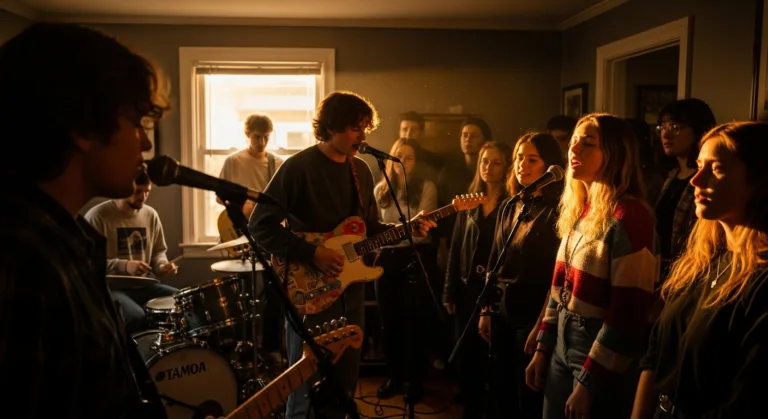
While digital marketing is essential, live performances are still a crucial part of a musicians career. Live gigs allow you to connect with your fans in person and build a loyal following.
Promote your gigs on your website, social media, and email list. Let your fans know when and where you’re playing.
Create eye-catching posters and flyers to promote your gigs. Distribute them in local venues and businesses.
Use local event calendars to list your gigs. This will help people find your shows.
Offer incentives for people to attend your gigs, such as discounts on merchandise or meet-and-greets.
Put on a great show. Your live performance is your opportunity to impress your fans and win over new ones.
Engage with your audience during your performance. Talk to them, tell stories, and get them involved.
Sell merchandise at your gigs. This is a great way to generate revenue and promote your brand.
Collect email addresses at your gigs. This will allow you to stay in touch with your fans and promote future shows.
Follow up with your fans after your gigs. Thank them for coming and let them know about future shows.
According to data from Bandsintown, musicians who actively promote their gigs on the platform see a 40% increase in ticket sales.
What is the most important thing for musicians to focus on when marketing themselves?
Building a genuine connection with your audience is paramount. Authenticity resonates more than anything else. Focus on creating quality content and engaging with your fans in a meaningful way.
How often should musicians post on social media?
Consistency is key, but quality trumps quantity. Aim for a regular posting schedule, perhaps 3-5 times per week per platform, but ensure each post is engaging and valuable to your audience.
What kind of content should musicians share on social media?
Mix it up! Share a blend of music snippets, behind-the-scenes glimpses, personal stories, gig announcements, and collaborations. Variety keeps your audience engaged.
Is email marketing still relevant for musicians in 2026?
Absolutely! Email marketing offers a direct line to your fans, free from algorithm interference. It’s a powerful tool for announcing new releases, promoting gigs, and offering exclusive content.
How important is a professional website for musicians?
A professional website is your online hub. It’s where fans can learn about you, listen to your music, find gig dates, and sign up for your email list. It lends credibility and provides a central point of contact.
In conclusion, success for musicians in 2026 hinges on a strategic blend of online and offline marketing efforts. Building a strong brand, leveraging social media effectively, nurturing an email list, mastering digital distribution, and rocking live performances are all essential pieces of the puzzle. Remember to focus on authenticity and engagement above all else. What’s one marketing strategy you can implement this week to grow your music career?